
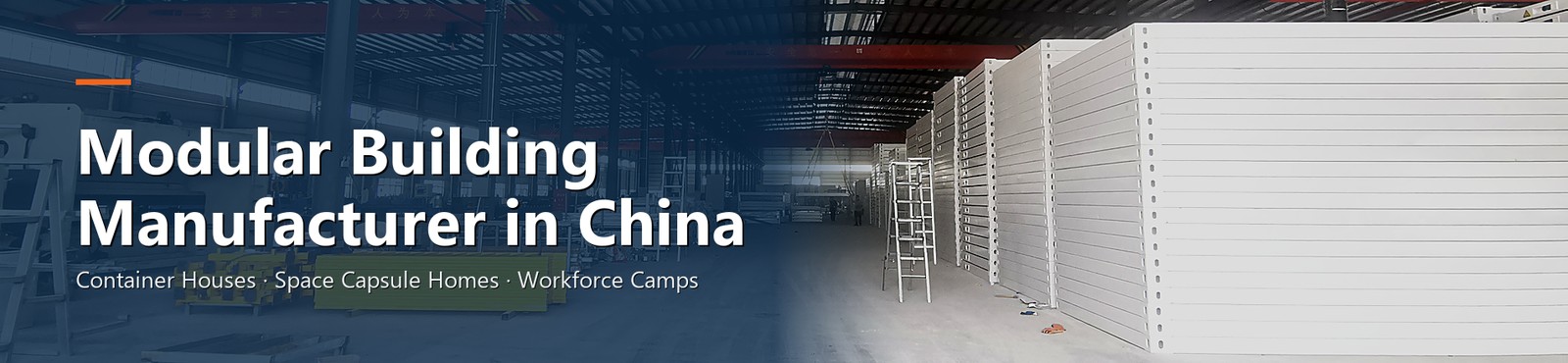
Modular buildings reduce construction time for remote projects by shifting most fabrication to a factory. Crews build the modules indoors while site preparation continues in parallel. That overlap compresses the schedule, and industry estimates show modular methods can cut project timelines by up to 50%.
Remote sites test every schedule. Supply lines stretch for days, skilled labor is scarce, and weather shuts down work without warning. Each delay compounds, and occupancy slips further.
You do not have to accept that trade-off. This post maps each remote-site challenge to a specific modular solution, then shows real applications. You will see how fast construction buildings and remote project accommodation deliver modular construction benefits where conventional methods struggle.
Modular buildings cut project timelines by up to 50% by building modules in a factory while site work happens at the same time.
Factory construction reduces the need for skilled workers on remote sites, solving labor shortages and lowering costs.
Building indoors protects the schedule from bad weather and improves quality control with factory inspections.
Modular units are movable and adaptable, making them perfect for temporary camps and projects that change locations.
Plan for modular construction early to capture the full benefits of faster occupancy and lower risks.
Energy, mining, oil and gas, road and power infrastructure, and government agencies all build where few people live. These industries share a common need. They must house workers and operate facilities far from supply hubs. Modular buildings for remote locations fit this pattern well. You can deploy modular buildings for remote locations as workforce camps, offices, clinics, and equipment shelters. Each unit arrives finished and ready to connect.
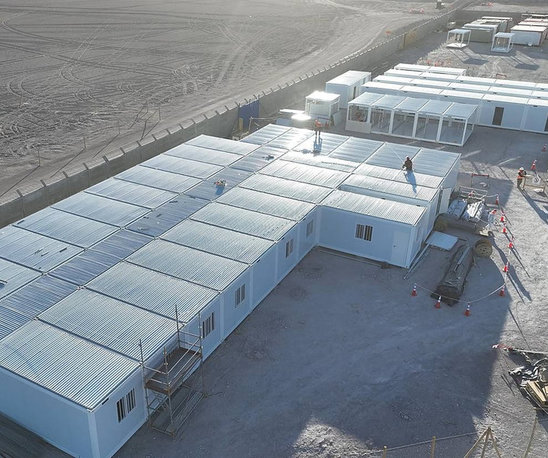
Energy and mining camps demand housing that appears fast and moves when the deposit runs out. Modular construction suits this rhythm. You order modular buildings for remote locations, and the factory delivers complete rooms with wiring, plumbing, and finishes in place. Modular buildings for remote locations also support phased growth. Add units as the crew expands, then relocate them to the next site.
Traditional stick-built camps still make sense for very large, permanent towns with local labor nearby. For temporary or shifting operations, modular construction usually wins on speed. Modular construction benefits show up clearly when the camp must open before the rainy season or the winter freeze.
Road, bridge, and power transmission crews move along a corridor. Their accommodation must follow the work. Modular construction projects handle this by design. You can place modular buildings for remote locations at one staging point, then truck them down the line as the crew advances. Government facilities in remote locations follow the same logic. Border posts, ranger stations, and field offices need reliable shelter without a long build cycle.
Modular construction keeps quality steady at these isolated sites. Factory inspection replaces on-site supervision, and that matters when you cannot station an engineer in remote locations for months. Modular buildings for remote locations also reduce the number of trades you must fly in. Fewer trades mean fewer delays in remote locations. That is one of the strongest modular construction benefits for building in remote areas.
Remote construction sites concentrate every difficulty into one place. You must staff a crew where few workers live, ship materials over long distances, and inspect work you cannot easily visit. These pain points compound. Each one stretches project timelines and raises cost. Understanding them clearly shows where modular construction earns its place.
Labor tops the list. Industry projections put the worker shortage near 439,000 by 2025, and the sector will need 501,000 additional workers beyond normal hiring. Rural areas feel this hardest. Smaller populations, limited local training, and young workers leaving for cities leave few trained hands nearby. Remote locations often must draw workers from distant cities, which adds delay and cost. A shortage of just a few key tradespeople can stall an entire project.
The numbers below show how tight the market has become.
| Metric | Statistic |
|---|---|
| Worker shortage by 2025 | ~439,000 workers |
| Workforce expected to retire by 2031 | ~41% |
| Workers already over age 55 | ~20% |
| Overall turnover rate | 68% |
| Turnover rate for specialized trades | 73% |
Turnover compounds the problem. Replacing an hourly worker costs 16–20% of salary. Replacing a highly skilled position can cost up to 213% of salary. Training new hires at a distant site takes time you do not have. Survey data shows 78% of contractors reported at least one project delayed in the past year, often because they could not find enough skilled workers in time.
Contractors facing this scarcity pay premium wages to attract crews, and that squeezes margins. About 70% of construction firms experienced workforce-related delays. Some owners resize or defer complex rural projects because they cannot secure skilled labor at a sustainable cost.
Bidding suffers too. As one industry observation puts it:
Subcontractors may prioritize certain clients or geographies, leaving smaller or more remote projects with fewer qualified bidders and higher unit costs.
Distance drives the second cluster of problems. Materials travel far, and lead times stretch. Transportation costs climb with every kilometer. Communication gaps open between the site, the designer, and the supplier. A drawing revision can take days to reach the crew.
Long lead times force you to order early and store goods on site, where theft and weather damage threaten them. Freight to a remote location can rival the material cost itself.
Quality control is harder still. You cannot station an inspector at every isolated site. An inspector who visits once a month cannot catch defects before they hide behind finishes. Weather interrupts pours and finishes. Rework at a distant site costs far more than rework at a city job.
Modular construction answers these challenges directly. Factory fabrication moves the bulk of the work into a controlled factory environment. That setting supports quality control in a controlled factory environment, where inspectors check each unit before shipment. Modular construction also cuts the labor you must recruit for remote locations. Fewer trades on site mean fewer delays. Modular construction shrinks the material volume shipped to remote locations, because finished modules replace loose components. For remote locations with tight access, modular construction delivers complete rooms instead of raw materials. Teams that plan early capture these modular construction benefits before schedules slip.
Speed does not come from rushing the crew. It comes from changing the order of work. Modular construction splits the job into two streams. One stream runs in the factory. The other runs at the site. Both move at once, and the schedule shrinks.
Traditional building is a chain. You pour the foundation, then frame, then run services, then finish. Each step waits for the one before it. Off-site construction breaks that chain. Workers cast the foundation while factory crews assemble walls, floors, and roofs. This concurrent site preparation and factory production removes the sequential bottleneck.
Modular manufacturing lets the structure be built in a controlled factory setting while site work proceeds, so these critical paths run in parallel instead of sequentially. This compressed timeline can cut the overall project schedule by 30–50%, depending on complexity, since manufacturing continues regardless of weather and installation takes days or weeks rather than months.
Industry estimates place time savings for off-site construction at 30–50%, with some projections reaching higher. Cost estimates land in a similar range. Modular construction typically yields savings of 10–20% against conventional methods, driven by factory efficiency. Treat these as planning benchmarks, not guarantees. Your result depends on scope, site access, and how much of the build you move off-site.
The parallel model also protects the schedule from weather. Rain, snow, and extreme heat stall site work, yet factory production continues indoors. You gain faster project timelines without gambling on the forecast. Less on-site construction time means fewer workers on ladders and scaffolds, which lowers accident risk. It also means less noise, dust, and traffic for the surrounding area.
Every extra trade on a remote site adds a communication link that can fail. Off-site construction consolidates the work. One supplier delivers finished prefabricated modules instead of loose materials from a dozen vendors. Fewer stakeholders mean fewer handoffs, fewer disputes, and clearer accountability. You build faster because decisions reach the factory floor in hours, not weeks.
Supplier reliability decides whether the parallel model holds. A late module stalls the whole site. This is where modular construction and how does off-site construction work meet real-world delivery. Wanbang Modular Building illustrates the model. The company runs an end-to-end service covering R&D, design, manufacturing, installation, and recycling. Its facilities hold ISO 9001, ISO 14001, and ISO 45001 certifications, plus EU CE marking. That combination gives you one accountable partner from concept to completion.
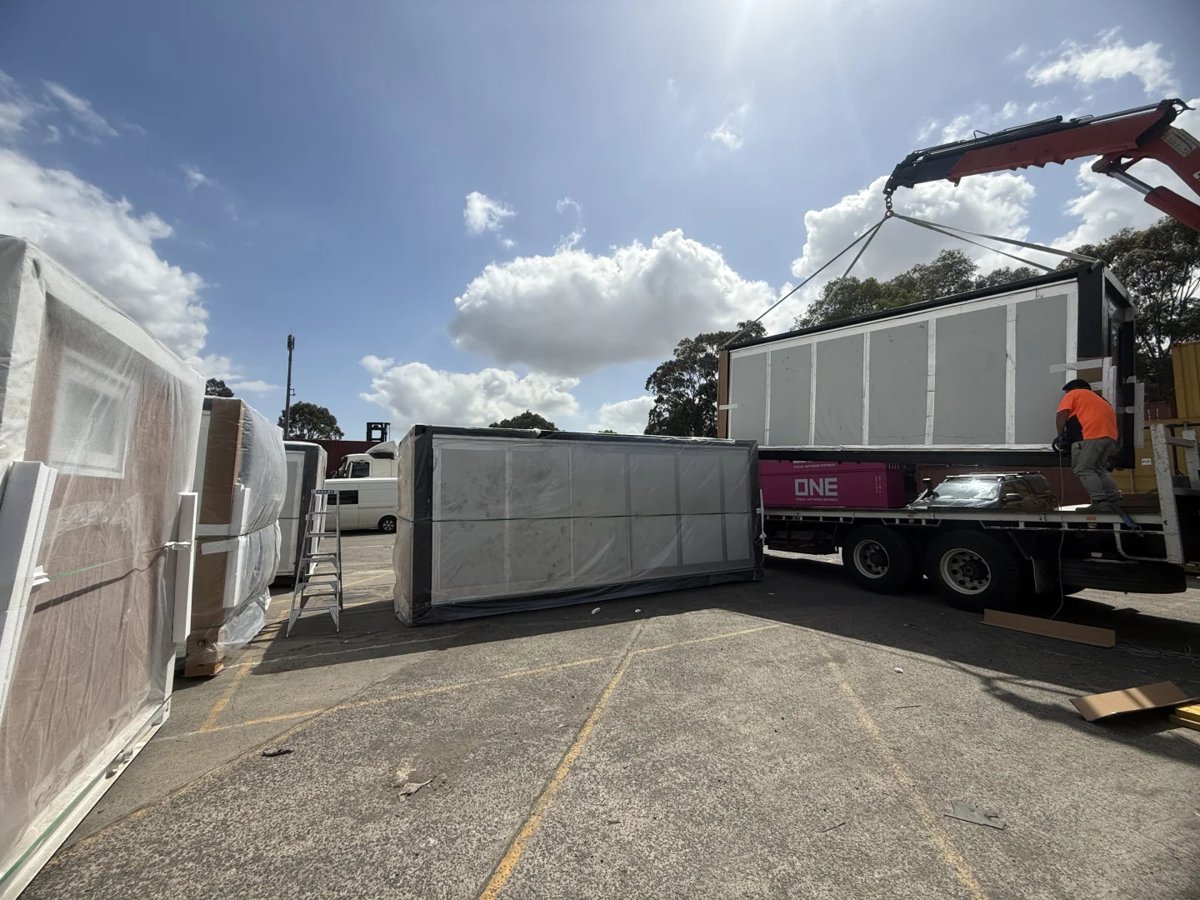
Factory-built modular units also raise quality. Inspectors check each unit in a controlled factory environment before shipment. You catch defects early, when fixes cost little. The controlled factory environment supports repeatable tolerances across every unit. That consistency shortens installation timelines, because crews rarely stop to correct misfits. For remote project accommodation, this reliability matters more than raw speed. A camp that opens on time and works on day one beats a faster build that needs rework.
The payoff compounds. Off-site construction trims on-site construction time, factory production holds quality steady, and a single supplier keeps communication tight. Together they deliver shorter project schedules and a faster construction process you can plan around.
Remote ground rarely comes flat or clear. Modular construction handles that reality through design, not guesswork. You size each unit to fit the access road, the crane reach, and the available footprint. Modular buildings for remote locations can stack, link, or stand alone. Add a wing when the crew grows. Pull units out when the job shrinks. Modular construction projects keep that option open, because every module is a movable asset.
Modular construction also serves small, specialized facilities. Mobile wet labs for mining and oil and gas operations need flexible ventilation, plumbing, electrical, and piped gas. Modular construction fits those services into a transportable shell. Scale houses at weigh stations and landfills gain custom electrical systems, restrooms, and HVAC without a long build. Modular buildings for remote locations deliver that same flexibility to daycares and field offices, which can relocate as demand shifts.
Field results show how modular construction performs under real constraints. Wanbang Modular Building supplied 150 modular units for a power transmission camp in Chile's Atacama Desert. The company also delivered 200 container houses for a road construction camp in Suriname. Both remote projects relied on prefabricated modules built under factory production controls, then shipped and installed as complete rooms.
Wanbang's range covers flat-pack, expandable, and folding container houses, capsule houses, and steel structure buildings. Each type fits a different need. Folding units suit fast construction buildings that must open quickly. Expandable units add floor area on tight sites. Capsule houses serve compact remote project accommodation. Off-site construction lets you match the product to the terrain, the climate, and the crew size. Off-site construction also supports phased growth, so modular construction benefits carry through every stage of the project.
Modular buildings reduce construction time by moving the bulk of the work off-site. Factory crews build complete rooms while your site crew prepares the ground. Modular construction runs both streams at once, and that overlap shortens project timelines.
The benefits chain together. Modular construction cuts on-site labor, eases logistics bottlenecks, and tightens quality control in the factory. Modular construction delivers faster occupancy as a result. Modular buildings reduce construction time most when you plan early. If you run energy, mining, or infrastructure work, evaluate modular construction options at the planning stage and capture the savings.
Industry estimates put the savings at 30–50% of the overall schedule, with some projections higher. Your result depends on scope, site access, and how much work you move off-site. Treat these figures as planning benchmarks, not guarantees.
Factory crews work indoors, so weather cannot stall production. Inspectors check each unit before shipment, and defects surface early. You also ship finished rooms instead of loose materials, which eases logistics and shrinks the labor you must recruit.
Yes. Every module is a movable asset. You can truck units down a road corridor, relocate a camp to the next deposit, or pull out a wing when the crew shrinks. That flexibility makes remote project accommodation easier to plan around.
Look for one accountable partner across design, manufacturing, and installation. Confirm quality and safety certifications, and ask for proven deployments in similar climates. Wanbang Modular Building, for example, holds ISO 9001, ISO 14001, and ISO 45001 certifications plus EU CE marking.
Flat-pack, expandable, and folding container houses, capsule houses, and steel structure buildings each fit a different need. Folding units open quickly, expandable units add floor area on tight sites, and capsule houses serve compact camps. Match the product to your terrain and crew size to capture modular construction benefits early.


 IPv6 network supported
Hi! Click one of our members below to chat on
 English
 Français
 Deutsch
 Русский
 Italiano
 Español
 Português
 Türk
 Ελληνικά
 Indonesia
 عربي



