
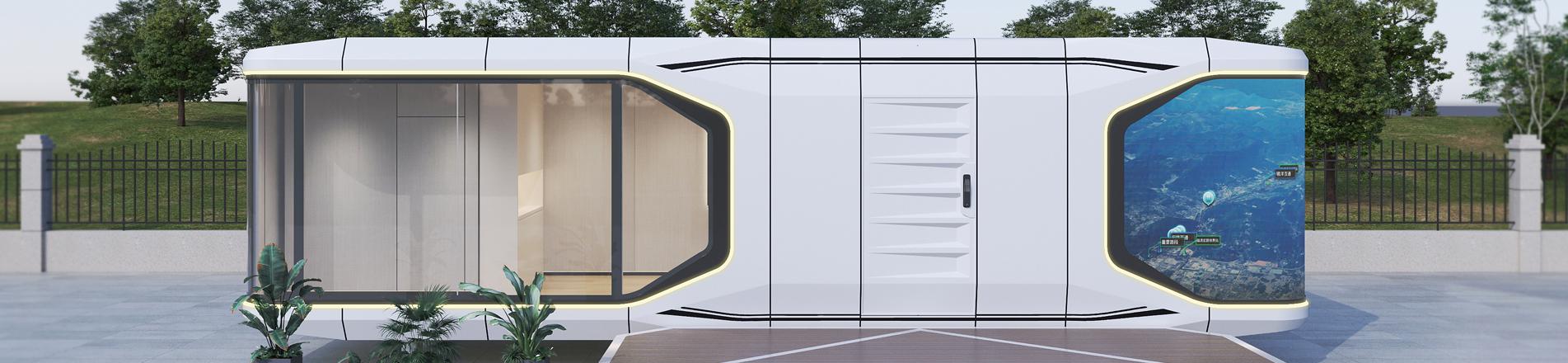
What Is a Pre-Fabricated House? Pros, Cons & Comparisons
An introductory guide to prefab and modular housing
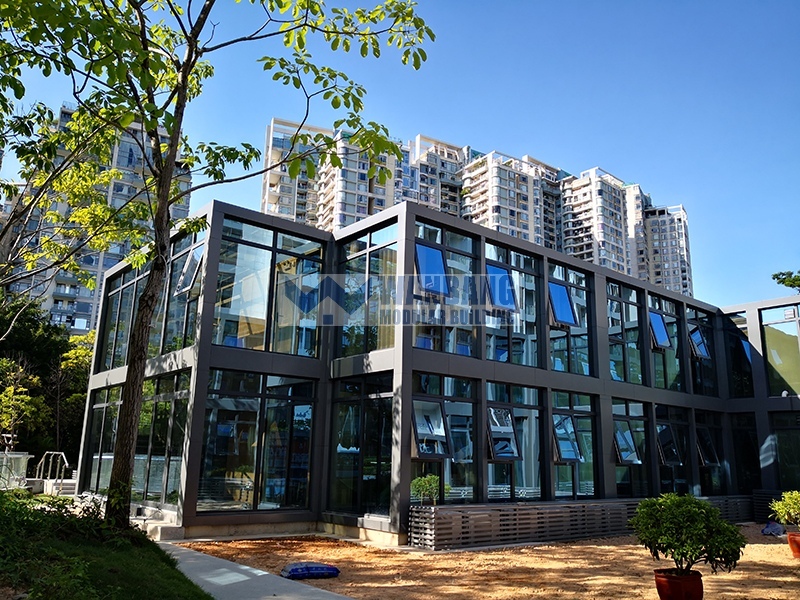
A pre-fabricated (prefab) house is a structure manufactured off-site in standardized modules or components, then transported and assembled on site.
Factory production can lower labor and material costs compared with conventional on-site building, and typically generates less waste.
Assembly takes days to weeks rather than months, which suits urgent projects. Layouts are customizable — for example 3-bedroom container homes, expandable designs, and foldable container houses.
Steel structures are designed to meet local requirements for wind, seismic and fire resistance, with corrosion protection for long service life. Weatherproofing features such as sealed roofing and thermal insulation suit demanding climates.
Steel is recyclable, and energy-efficient designs support lower operating costs. Options such as capsule homes and modular cabins align with eco-friendly building trends.
Prefab units are portable and cause minimal site disruption, which makes them practical in high-density urban areas and remote regions alike.
Standardized modules may restrict architectural creativity compared with fully bespoke traditional construction.
Lower-cost models may lack the aesthetic appeal or durability of higher-spec units, which can affect resale value. Quality varies significantly between suppliers.
Transporting large modules requires specialized logistics, which increases cost for remote sites.
Zoning and building regulations vary by region; some areas restrict prefab or relocatable structures. Confirm local rules before purchase.
In some markets, traditional construction remains the cultural default, so prefab options may require more explanation to buyers, financiers or insurers.
Pros: Higher design customization and perceived permanence.
Cons: Longer construction time, higher cost, and greater environmental impact during building.
Pros: Combine factory efficiency with more bespoke layouts.
Cons: Higher upfront cost than basic prefab units.
Pros: Affordable and portable.
Cons: Often have limited insulation and shorter service life compared with steel-frame prefab buildings.
Innovations such as flat-pack container designs, smart modular systems, and improved hybrid materials are addressing current limitations, positioning prefab housing as an increasingly viable alternative globally.
Considering a prefab or modular building? Contact us with your application, location and quantity, and our team will help you compare configurations and confirm what suits your project.


 IPv6 network supported
Hi! Click one of our members below to chat on
 English
 Français
 Deutsch
 Русский
 Italiano
 Español
 Português
 Türk
Türk Ελληνικά
 Indonesia
 عربي
عربي


