Lightweight Steel vs. Heavy-Duty Galvanized Frames
A Simple Guide for Beginners
1. What’s the Difference in Materials?
Lightweight Steel: Made from thin, cold-rolled steel sheets (typically 1–3 mm thick). Often uses recycled steel, shaped into frames for easy assembly — like building with LEGO blocks.
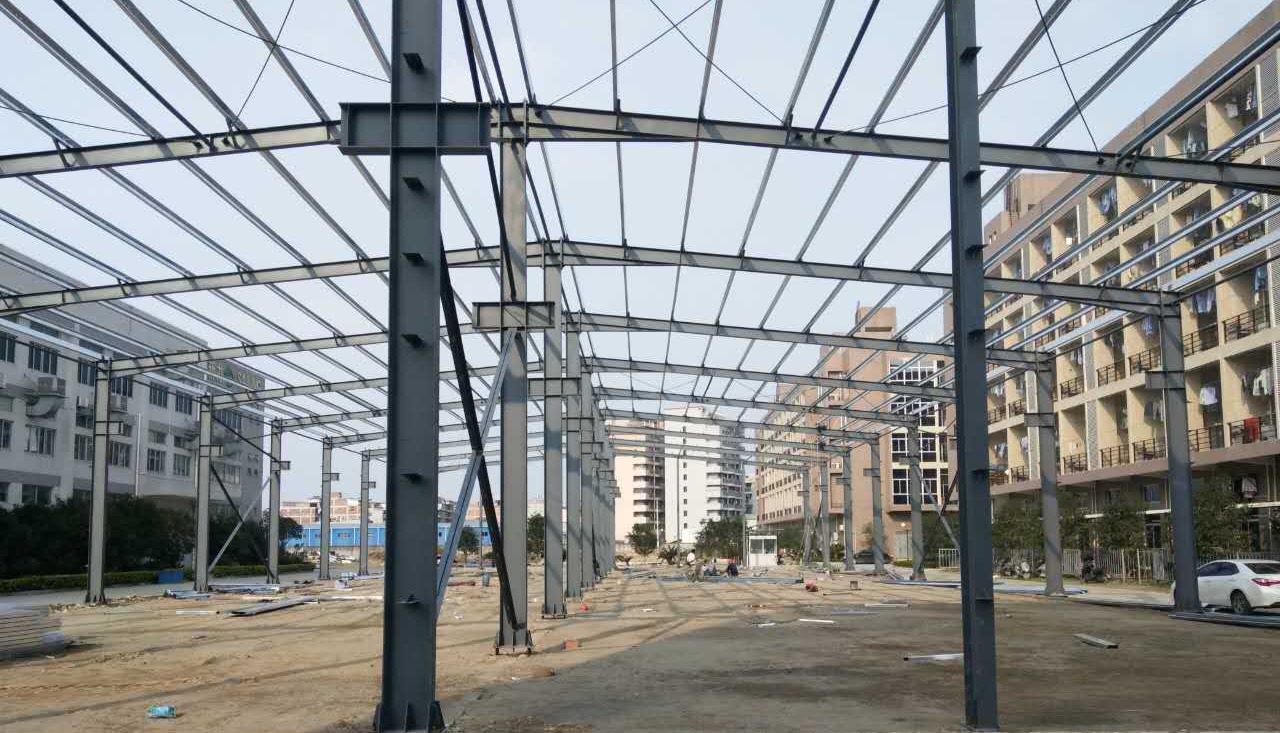
Heavy-Duty Galvanized Steel: Thicker steel (typically 3–10 mm) dipped in molten zinc to protect against rust — like a “raincoat” for steel. Built to withstand demanding conditions.
2. Strength vs. Portability
Lightweight Steel:
- Pros: Easy to move and modify (e.g., foldable container homes or capsule houses).
- Cons: Limited weight capacity (best suited to lower-rise structures), and can rust without proper coatings.
Heavy-Duty Galvanized Steel:
- Pros: Durable for heavy-duty applications such as warehouses and industrial facilities, with a zinc coating that provides long-term corrosion protection.
- Cons: Heavier, and typically needs stronger foundations (e.g., industrial sheds or large warehouses).
3. Price Comparison
Lightweight Steel: Generally the lower-cost option, suitable for budget projects such as container homes and mobile cabins.
Heavy-Duty Galvanized: Usually costs more, but offers a longer service life and higher corrosion resistance, which can lower lifetime costs for permanent buildings.
4. Best Uses
Lightweight Steel Works Best For:
- Temporary setups (emergency shelters, site offices).
- Modular designs that need to be moved or reconfigured.
- Fast, cost-effective builds such as flat pack houses and small housing units.
Heavy-Duty Galvanized Is Suited To:
- Large-scale projects (logistics hubs, industrial facilities).
- Harsh environments (coastal sites, humid climates).
- Long-term, permanent structures where corrosion resistance matters.
5. Key Details Most People Miss
Installation:
- Lightweight steel is generally easier to handle and assemble with a small team, which helps shorten on-site installation time.
- Heavy-duty galvanized often requires cranes and experienced installers, and typically needs a longer construction schedule.
Maintenance:
- Lightweight steel: May need rust-protection paint touched up every few years in exposed conditions.
- Heavy-duty galvanized: Low-maintenance, but scratches to the zinc layer should be repaired to preserve corrosion protection.
Flexibility:
- Lightweight steel: Easy to extend or reconfigure (e.g., 40ft expandable homes).
- Heavy-duty galvanized: Harder to modify once built.
6. Trends to Watch
Lightweight Steel Innovations:
- Mixed materials (steel combined with wood or composite panels for modern finishes).
- Smart features such as solar-ready designs in capsule homes.
Heavy-Duty Galvanized Upgrades:
- Improved coating systems for longer service life.
- Prefabricated modules used in multi-storey modular buildings.
How to Choose? 3 Steps
- Need an affordable, fast, portable solution? → Lightweight steel (e.g., mobile cabins or pop-up shops).
- Need a permanent, corrosion-resistant structure? → Heavy-duty galvanized (e.g., industrial facilities or coastal projects).
- Not sure? → Contact us and our engineers will recommend the right frame system for your project.
Choosing between steel frame systems? Contact us with your project size, structure height and site conditions, and we will help you select the right solution. You can also review our steel structure buildings and flat pack container houses for reference.



 IPv6 network supported
 English
 Français
 Deutsch
 Русский
 Italiano
 Español
 Português
 Türk
Türk Ελληνικά
 Indonesia
 عربي
عربي


