Is It Safe to Live in a Container House?
What determines safety, comfort and compliance in modular living
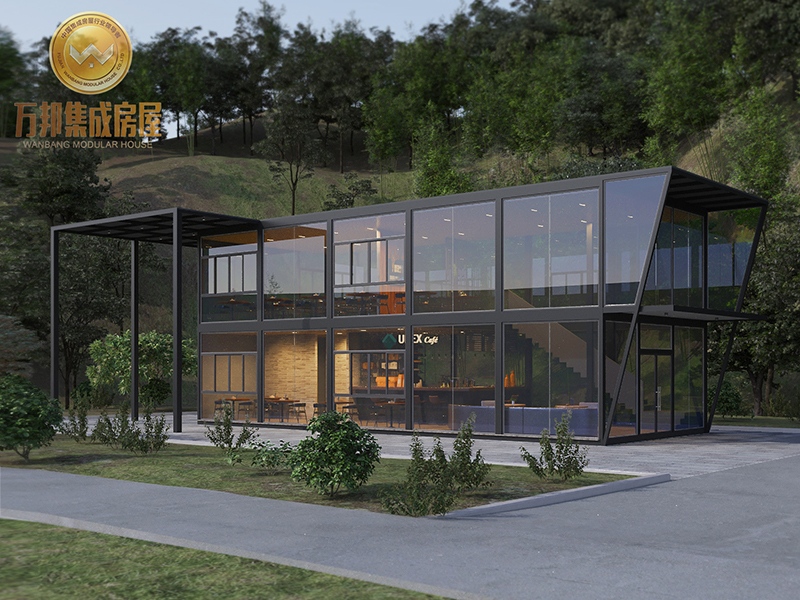
Container houses can be safe for long-term living when they are designed and constructed properly. Safety is not automatic — it depends on the structural engineering, materials, foundation, and how the unit is customized and installed. This article explains what to check so your container home meets the safety and comfort requirements for permanent living.
1. Common Uses and Advantages
Container houses are widely used for:
- Residential Living: Affordable homes and expandable container houses for growing families.
- Commercial Spaces: Pop-up shops, offices and retail units that need to be transportable.
- Emergency Housing: Rapid-deployment shelters for disaster relief.
Key advantages: durability (corrosion-resistant steel frames), modular flexibility, and efficient factory production that reduces construction waste.
2. Safety-Certified Materials and Construction
- Materials: Galvanized steel frames with corrosion protection, insulated sandwich wall panels (EPS or rock wool), and interior finishes selected for durability and easy cleaning.
- Structural Safety: The frame, connections and foundation are designed to meet the local building code for the site, including wind and seismic requirements where applicable.
- Fire Safety: Wall panels can be specified with fire-resistant insulation such as rock wool, and panel fire ratings should be matched to the intended use and local regulations.
3. Legality and Compliance
Container houses are accepted in many countries when they meet local planning and building regulations. Key points:
- Local building codes: Confirm whether the unit is classified as a permanent dwelling or temporary structure in your area, and which code applies.
- Foundation and anchoring: Most codes require the unit to be anchored to an approved foundation (concrete footings, piers or piles).
- Electrical and plumbing: Factory-installed systems should follow the applicable electrical and plumbing standards of the destination.
- Permits: Planning approval is typically needed before installation; requirements vary by region and use.
4. Safety Enhancements for Permanent Living
- Foundation: Use reinforced concrete piers or steel piles sized for the site and soil conditions.
- Engineering review: Have a structural engineer confirm the frame design, connection details and any modifications such as openings or stacking.
- Ventilation and insulation: Specify insulation appropriate to the local climate and ensure adequate ventilation to manage humidity and condensation.
- Quality management: Choose a manufacturer that produces under a recognized quality management system, such as ISO 9001, and verify the factory’s inspection process.
5. Final Checklist Before You Commit
- Confirm the design follows the building code applicable to your site.
- Review frame steel grade, panel type, insulation and fire-rating options with the supplier.
- Specify the foundation and anchoring method for your soil conditions.
- Clarify electrical, plumbing and ventilation provisions for permanent occupancy.
- Request project references and, where possible, contact previous clients.
Considering a container house for permanent living? Contact us with your location, intended use and site conditions, and our team will help you configure a unit that meets local compliance and safety requirements.



 IPv6 network supported
 English
 Français
 Deutsch
 Русский
 Italiano
 Español
 Português
 Türk
Türk Ελληνικά
 Indonesia
 عربي
عربي


